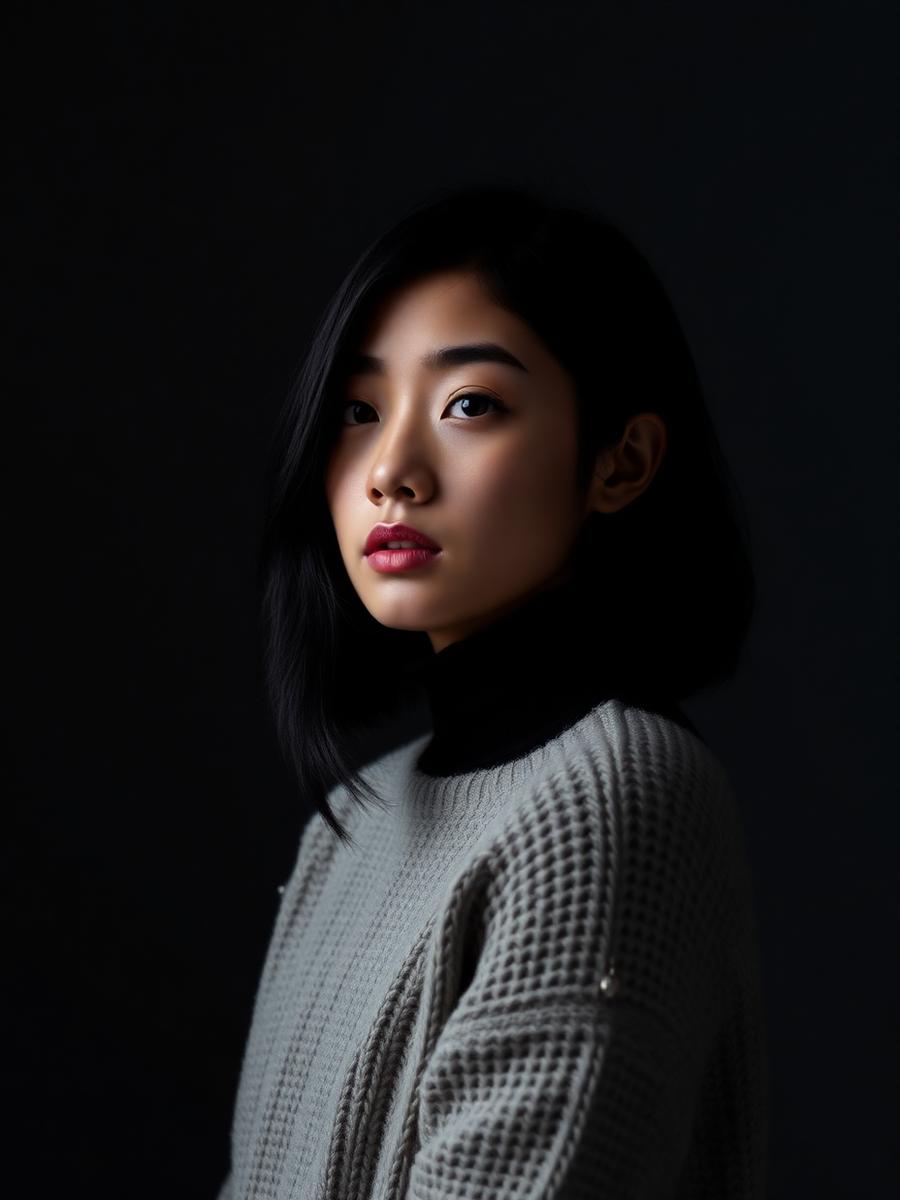
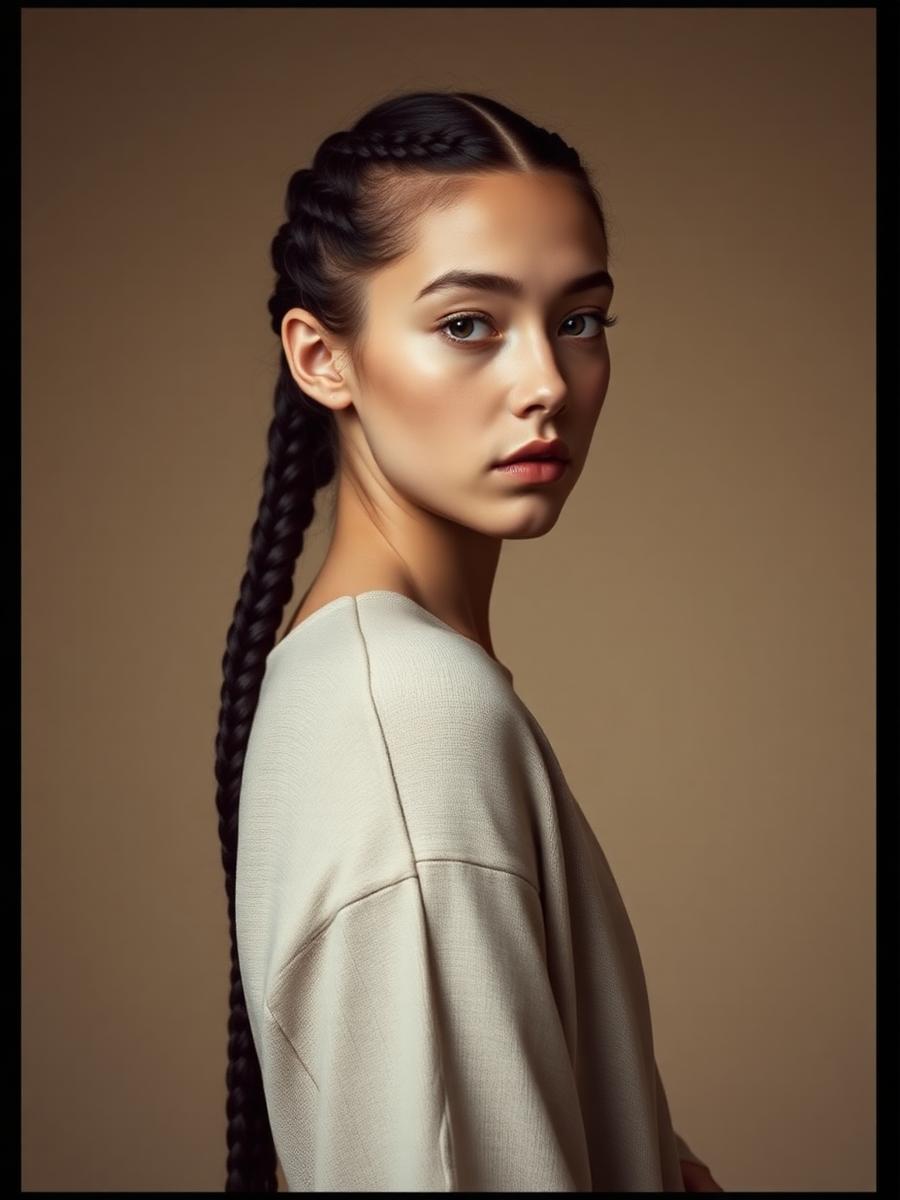
Aria Storm did not arrive at culture through the front door. They built a side entrance and made it the main event — a slow, deliberate rewriting of what it means to be a modern musician in a world that mistakes noise for signal. This is a story about craft, patience, and a very online kind of restraint.
We meet in the late afternoon, the kind of hour that flattens a city into film stills. There is no entourage, no publicist mouthing answers from behind a camera. Just a person, a coffee, and the quiet confidence of someone who has stopped performing for the algorithm and started making work the algorithm has no choice but to notice.
"I used to chase the feed," they say, half-smiling at the memory. "Now I let it come to me. If a piece is good, it travels. If it isn't, no amount of shouting will save it." It is a philosophy that feels almost radical in 2026 — an era when creators are asked to be brands, editors, marketers, and mascots before breakfast.
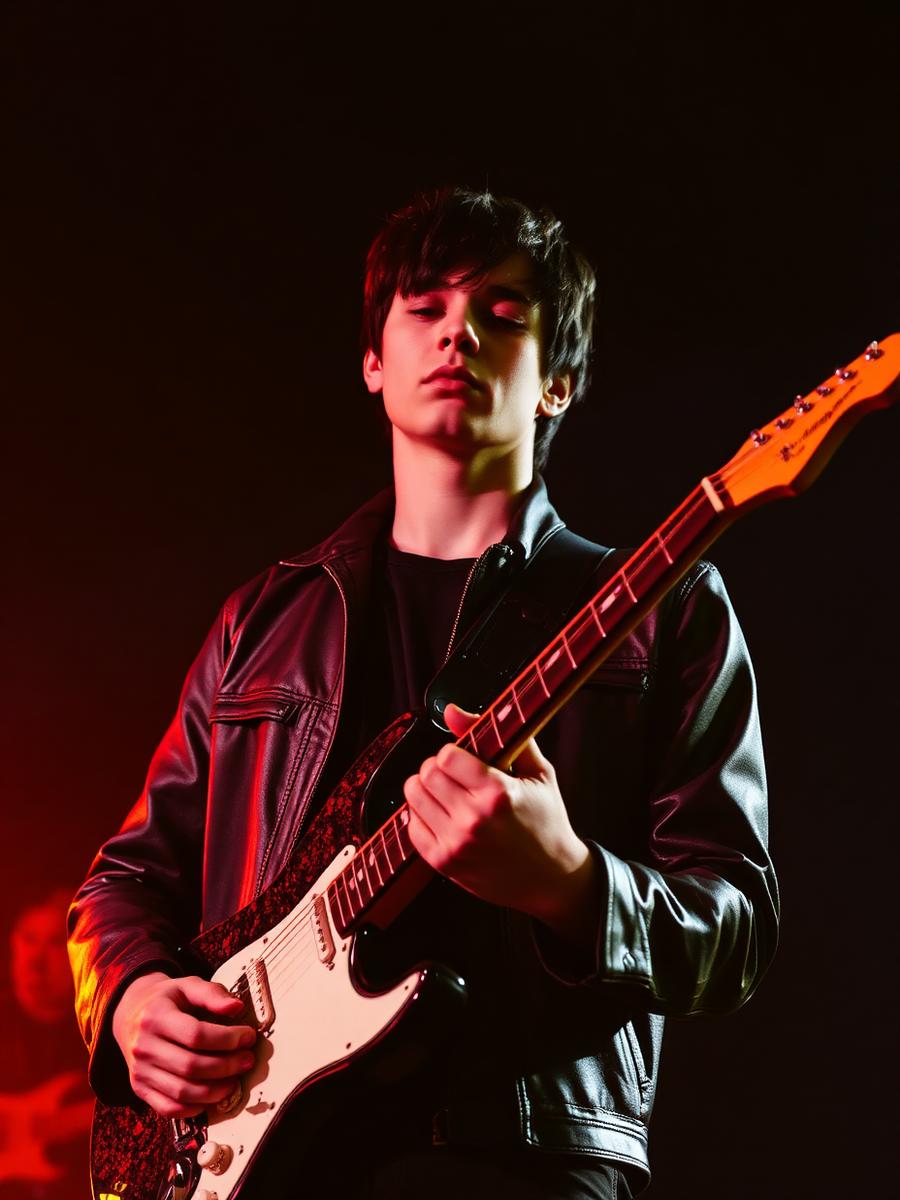
“The algorithm is a mirror. The work is what you bring to stand in front of it.”
The work itself is disarmingly simple. A frame held a beat longer. A caption stripped of its usual desperation. A color palette that refuses to trend. Together, it forms a signature — one that lives in the space between a magazine spread and a private Polaroid.
What comes next is a studio, a small team, a slate of collaborations that will not be announced with a press release. "The best things don't need a rollout," they say. "They just show up, and the right people find them." Featured on 67BAR — because the right people are already here.